Blog: The Kale Crowd is thriving
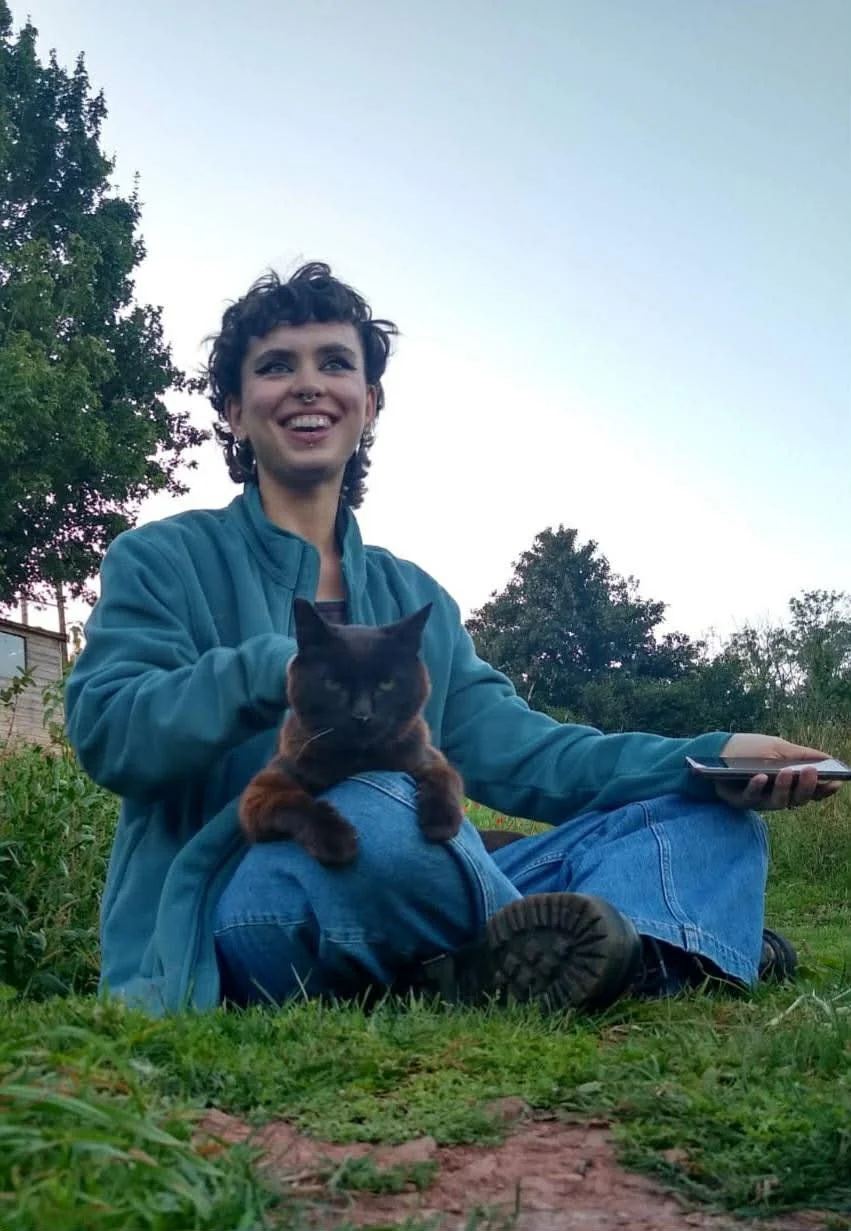
Hello! I’m Kat
I'm a Food Studies MA student at the University of Exeter, and also work for the Sharpham Trust. I'm interning with Exeter Seed Bank to establish the first 'generation' of the mixed kale crop.
At the University of Exeter, head grower Neil netted the kale seedlings while they were very small to protect them from rabbits, but now they are out in the sunshine for all to see. A far cry from the uniformity of monoculture cropping, just look at the diversity of colours, heights and leaf shapes – a thing of beauty!
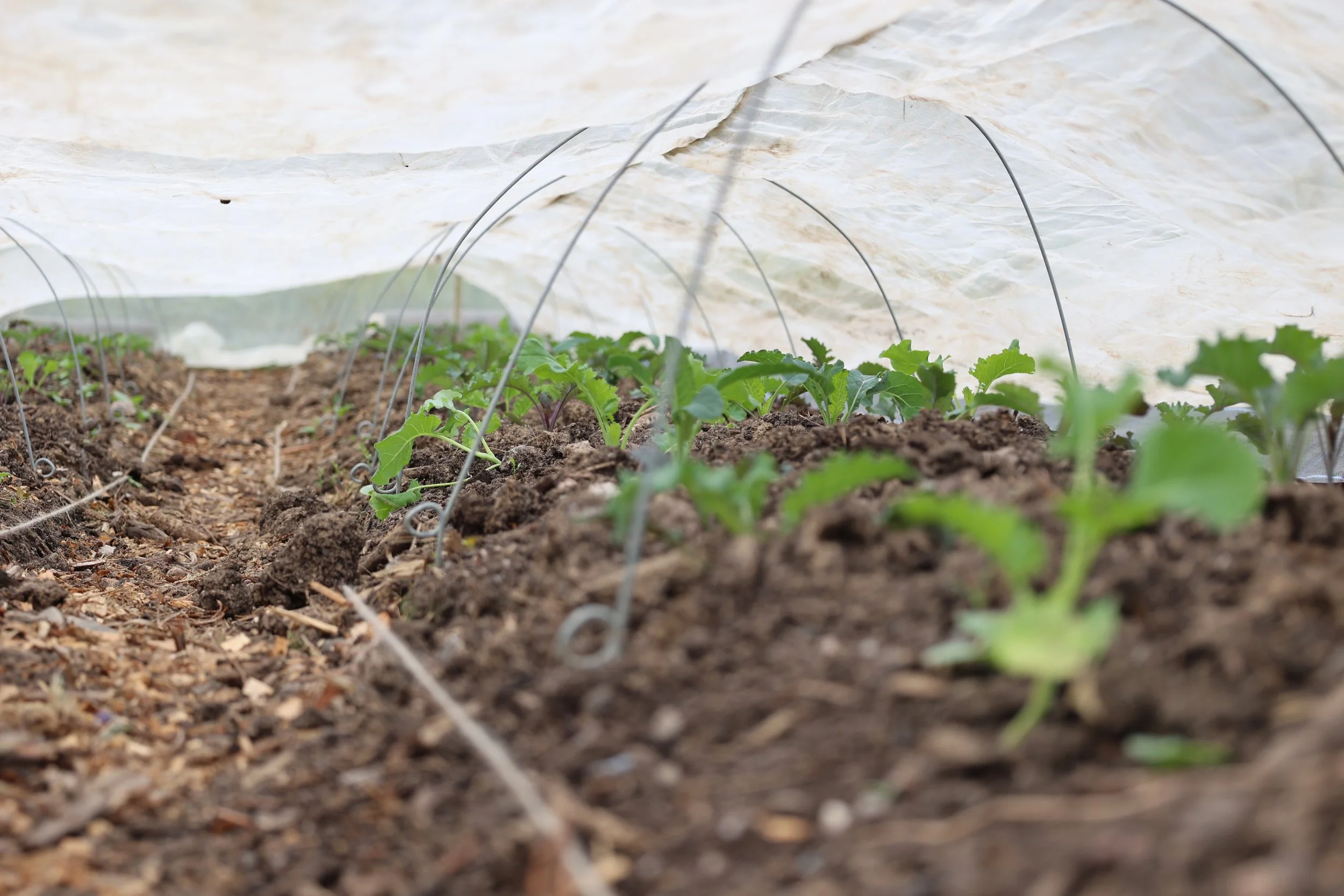
Photo: Kale plants isolated with netting at the University of Exeter’s Kitchen Garden.
We also have another bed which is shared between a range of plants, including various salad crops and beetroot. Growing in these 'polycultures' is apparently a great way to deter pests naturally, because it doesn't appear to insects as one enormous brassica bullseye.
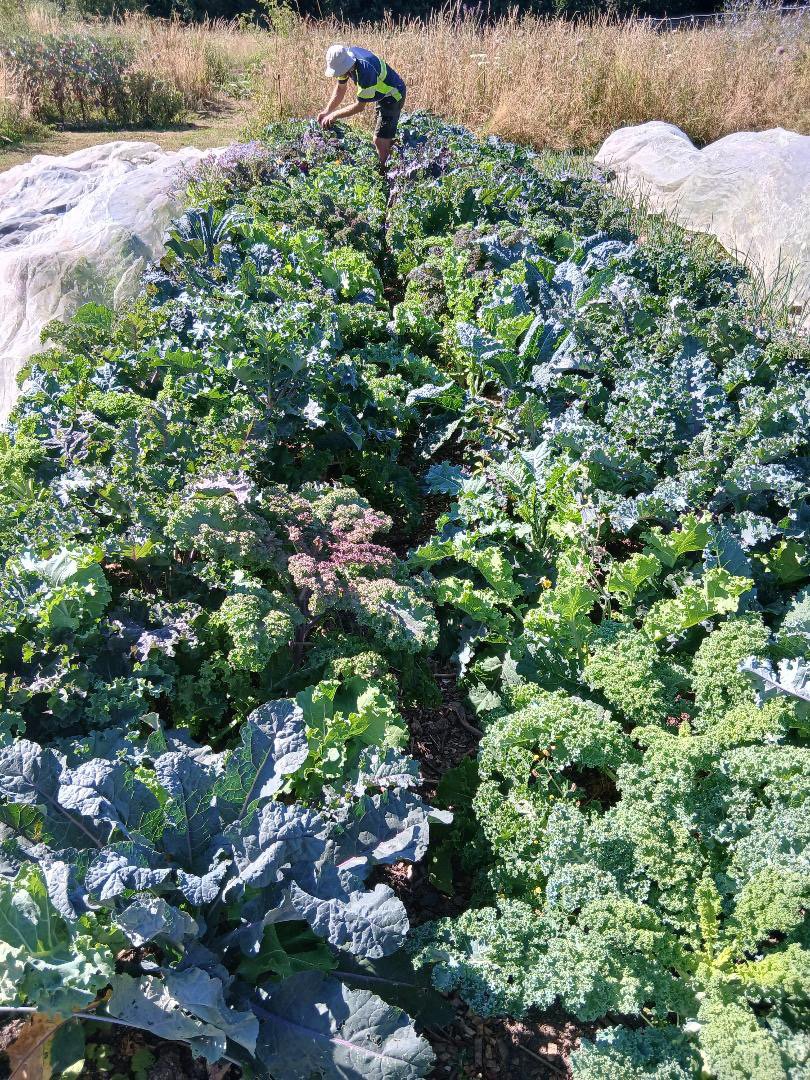
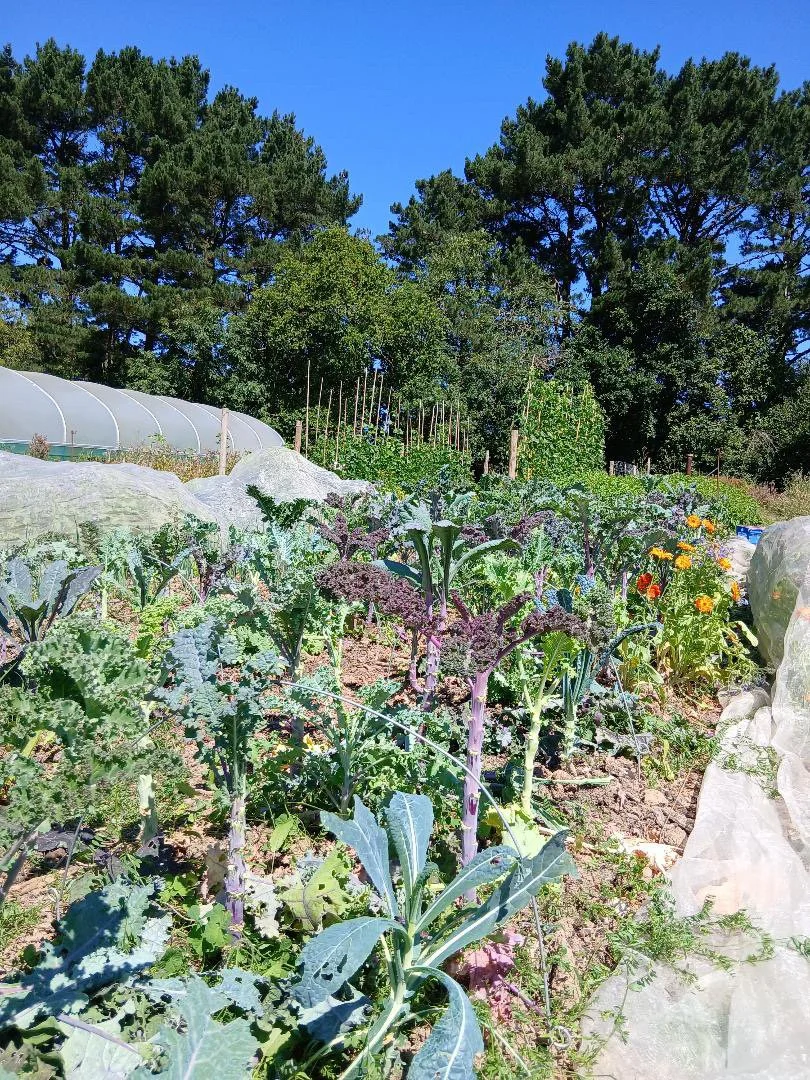
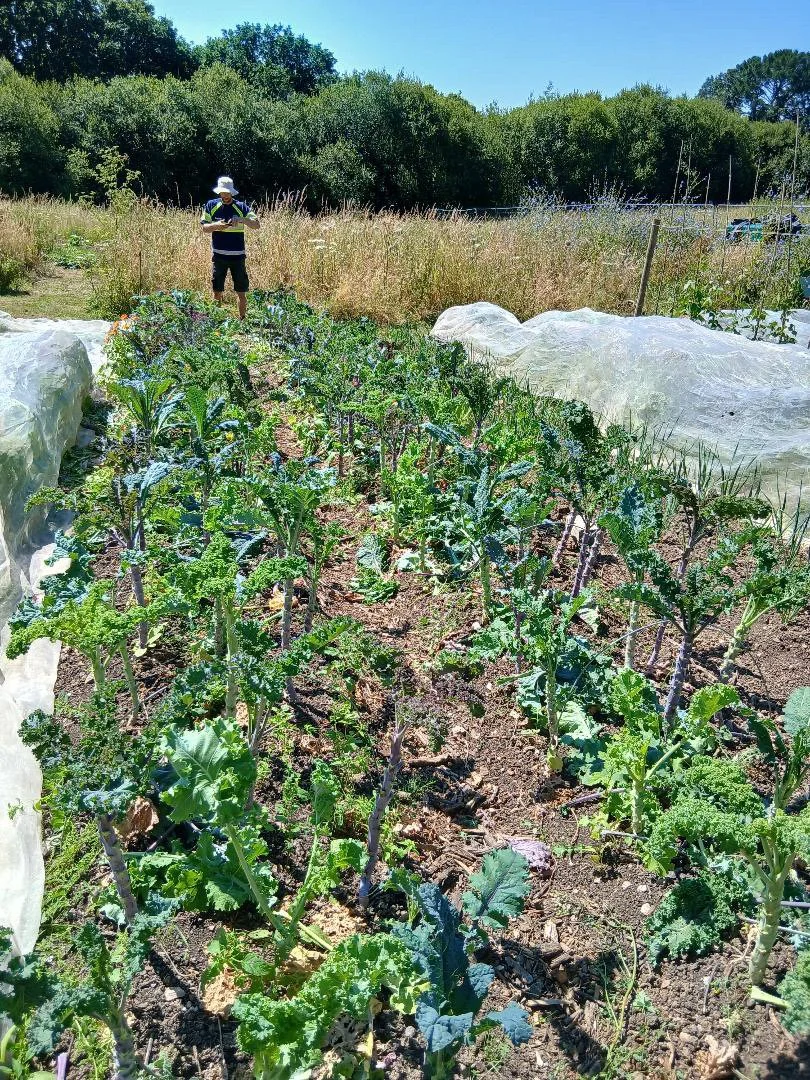
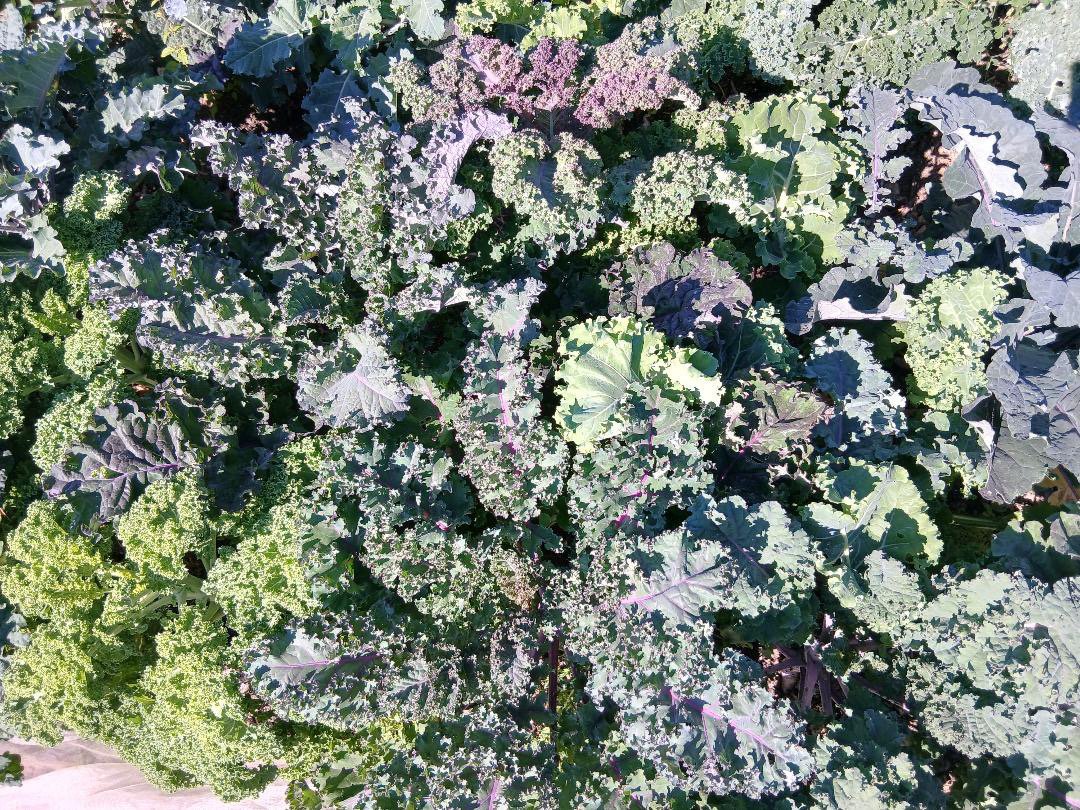
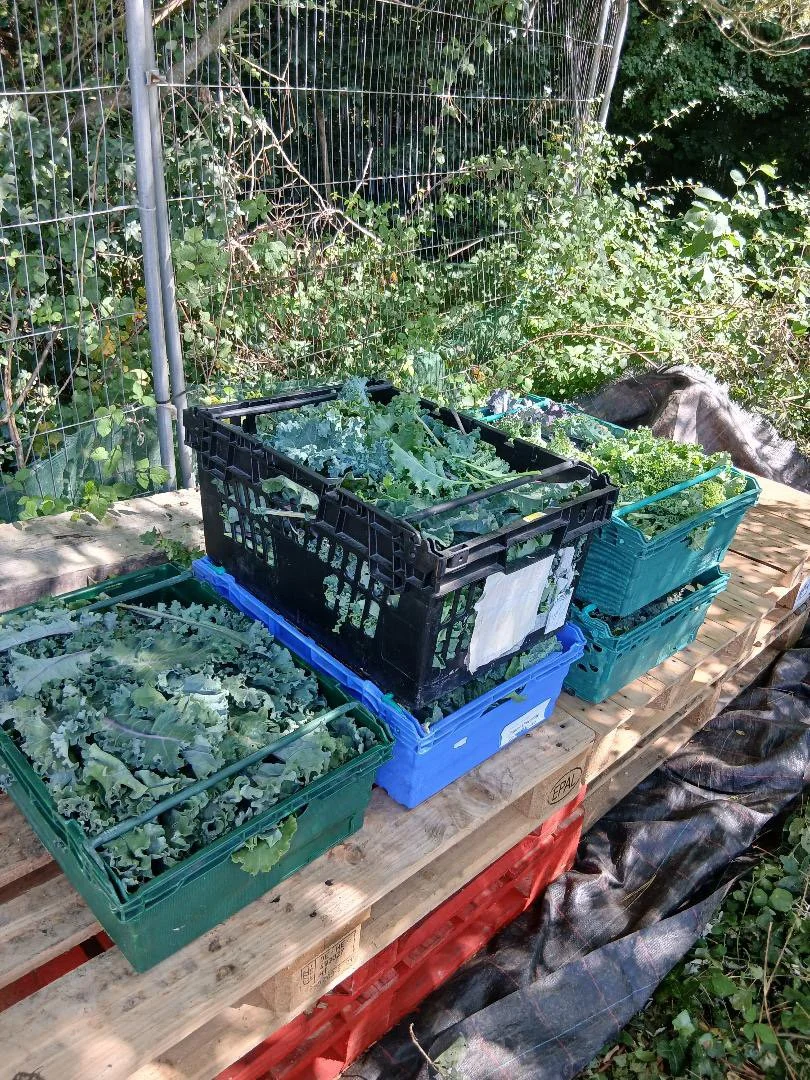
Some of the kale leaves have been harvested and distributed to various food outlets on campus, supplementing meals prepared for students and staff with locally grown, chemical-free, nutritious veg. We have a ‘control’ bed and a second bed where seeds were treated with a microbial coating from the Soil Ecology Lab called The Goop. The Goop bed has now produced near exactly 3kg more in harvested fresh kale leaves than the control bed during two different rounds of harvesting leaves. Since the hot weather has arrived its causing a few plants to start to bolt.
At Sharpham, we are growing kale and broad beans side by side. It has been interesting to notice that one variety in particular seems especially irresistible to cabbage white butterflies. We will keep all plants that produce seed in the mix for now, to encourage as much genetic mixing as possible. However, this will be useful information to monitor in future when we begin to become more selective.
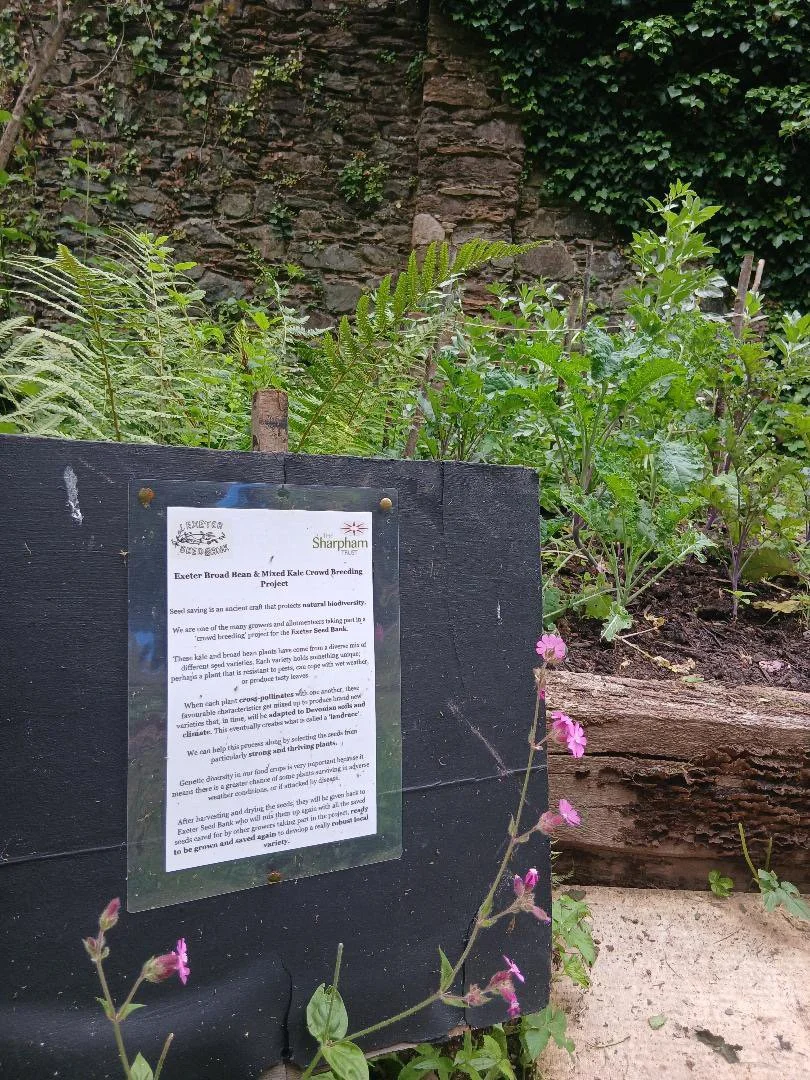
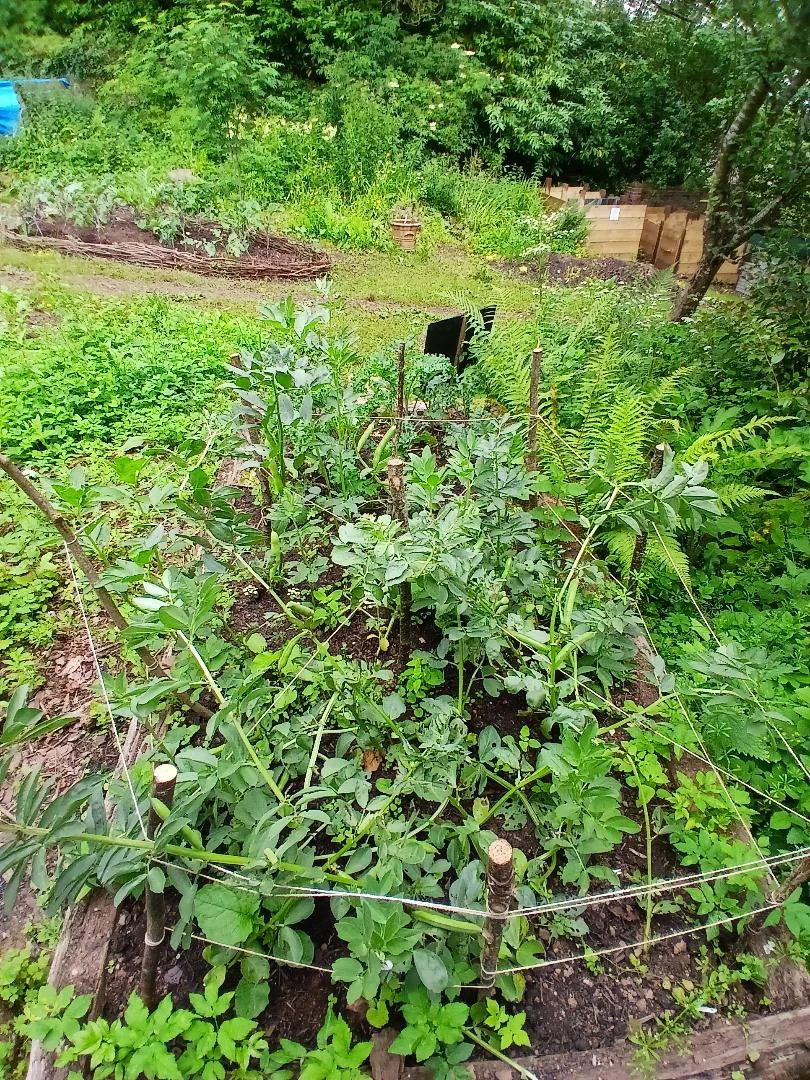
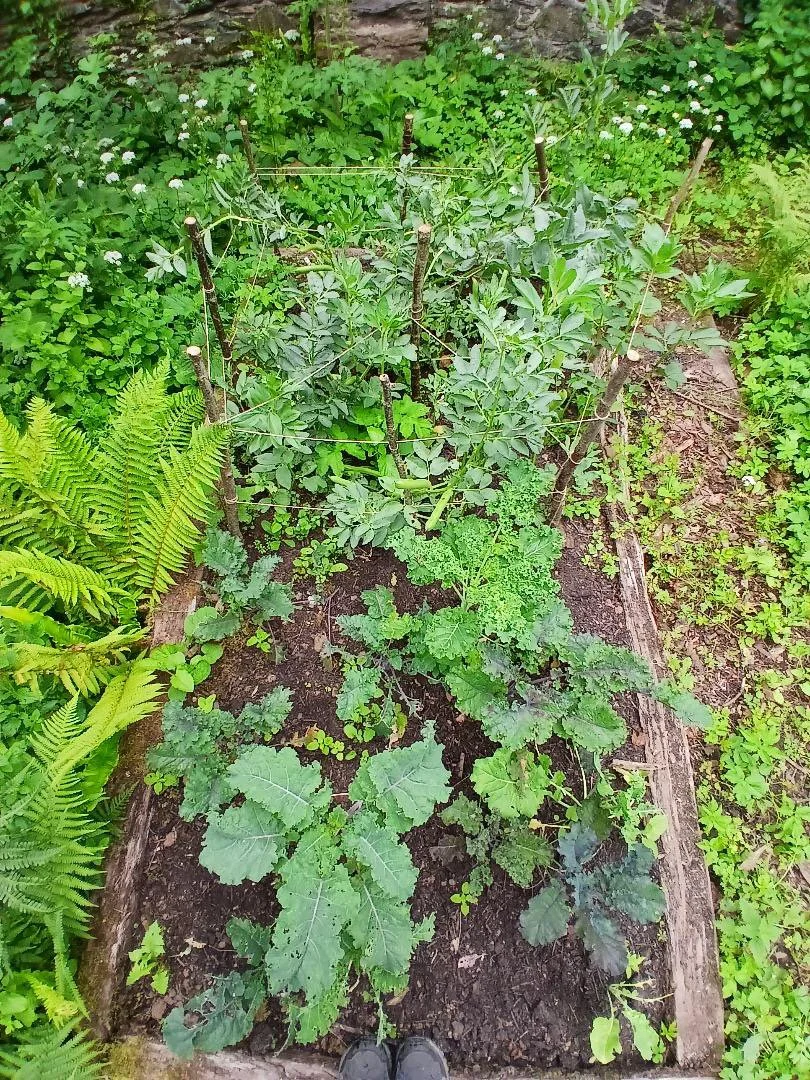
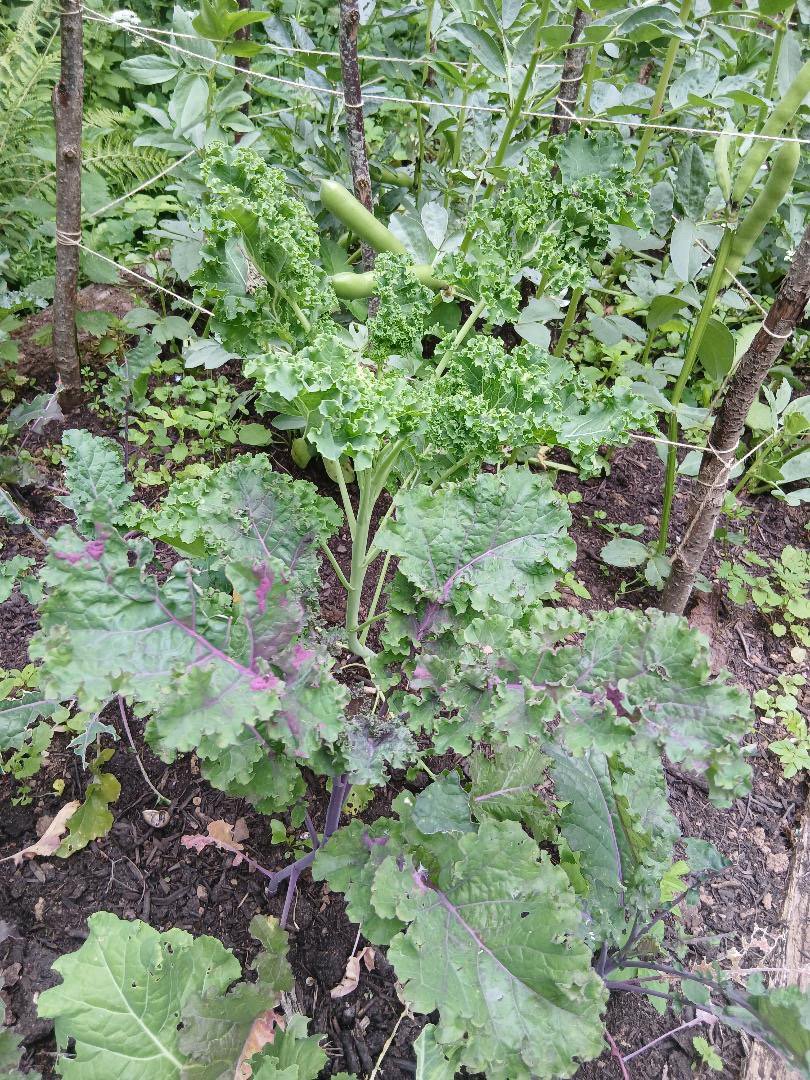
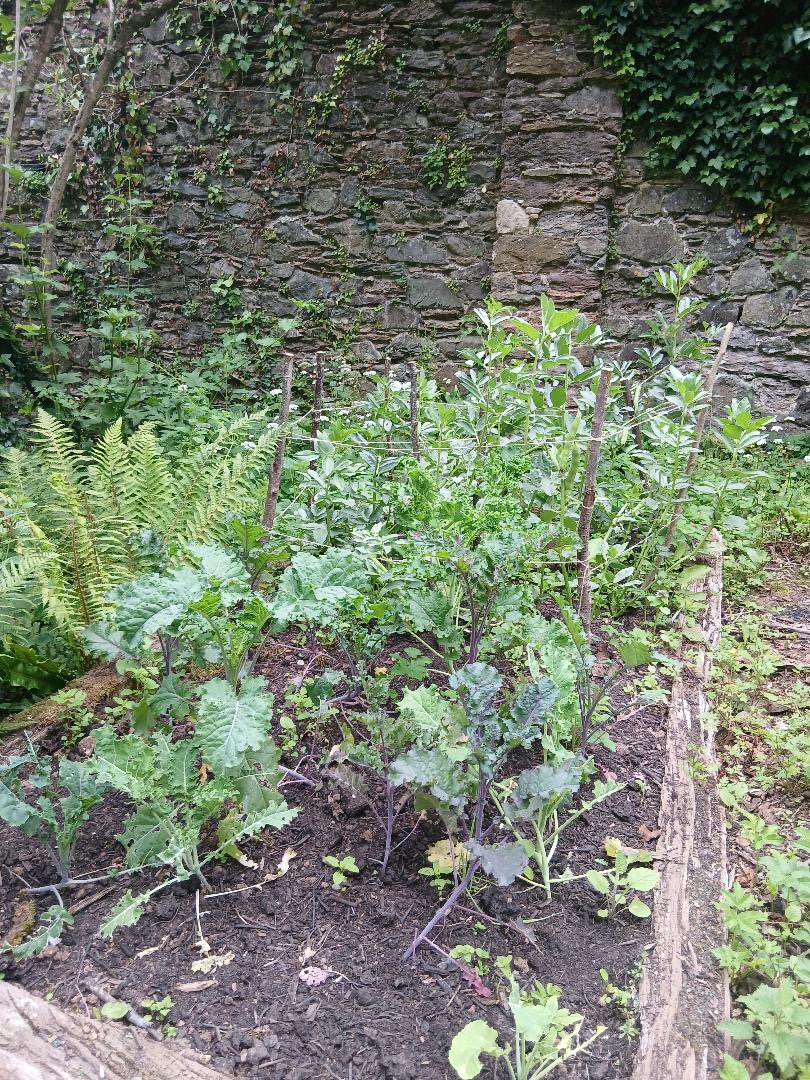
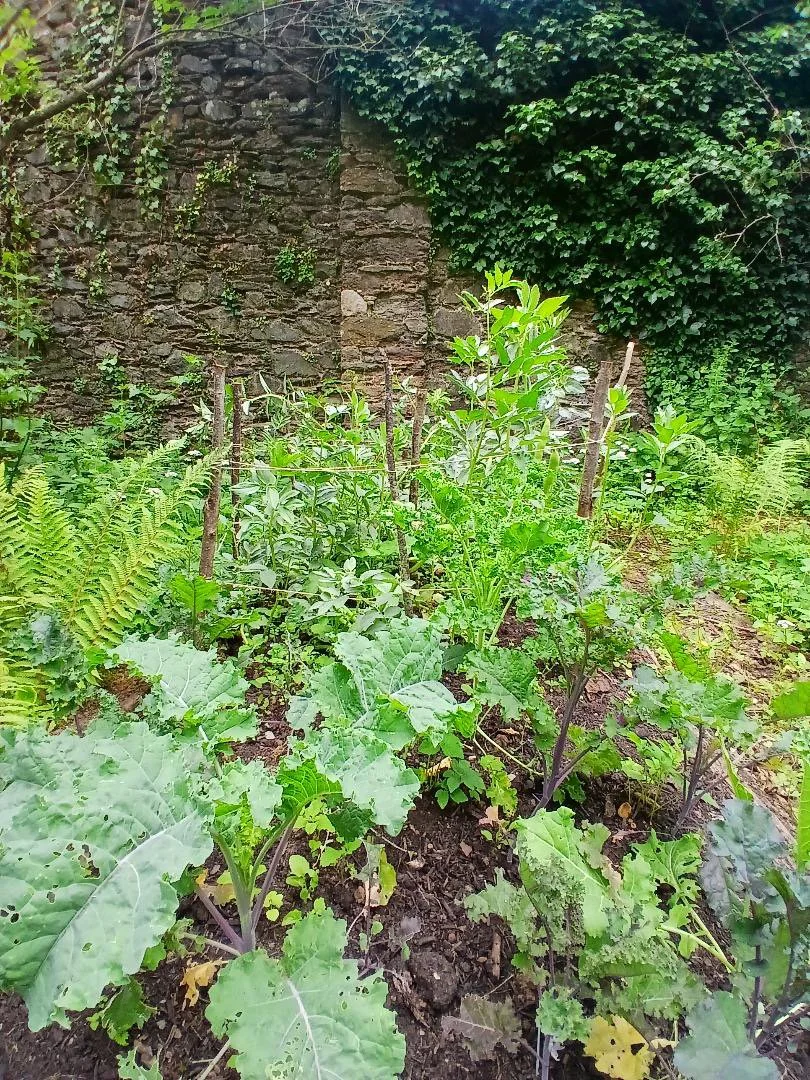
We will have to wait until next year to harvest the seed and replant, making now an exciting time to imagine what interesting traits may emerge. Why rely on the narrow range of varieties available in seed catalogues when we can experiment with what works for us and for nature within a grower-led network?
Related
Kat’s blog post for the Sharpham Trust
https://www.sharphamtrust.org/news/view/seed-saving-at-sharpham-by-kat-white
Neil’s July Kitchen Garden update for the University of Exeter
https://www.exeter.ac.uk/v8media/universityofexeter/campusservices/cafes-shops/responsiveimages/Seasonal_Update_(website)_July_2026.pdf
Kat’s first blog post for Exeter Seed Bank
https://www.exeterseedbank.co.uk/projects/blog-new-kale-crowd-breeding-project