Help grow the future of Devon wheat
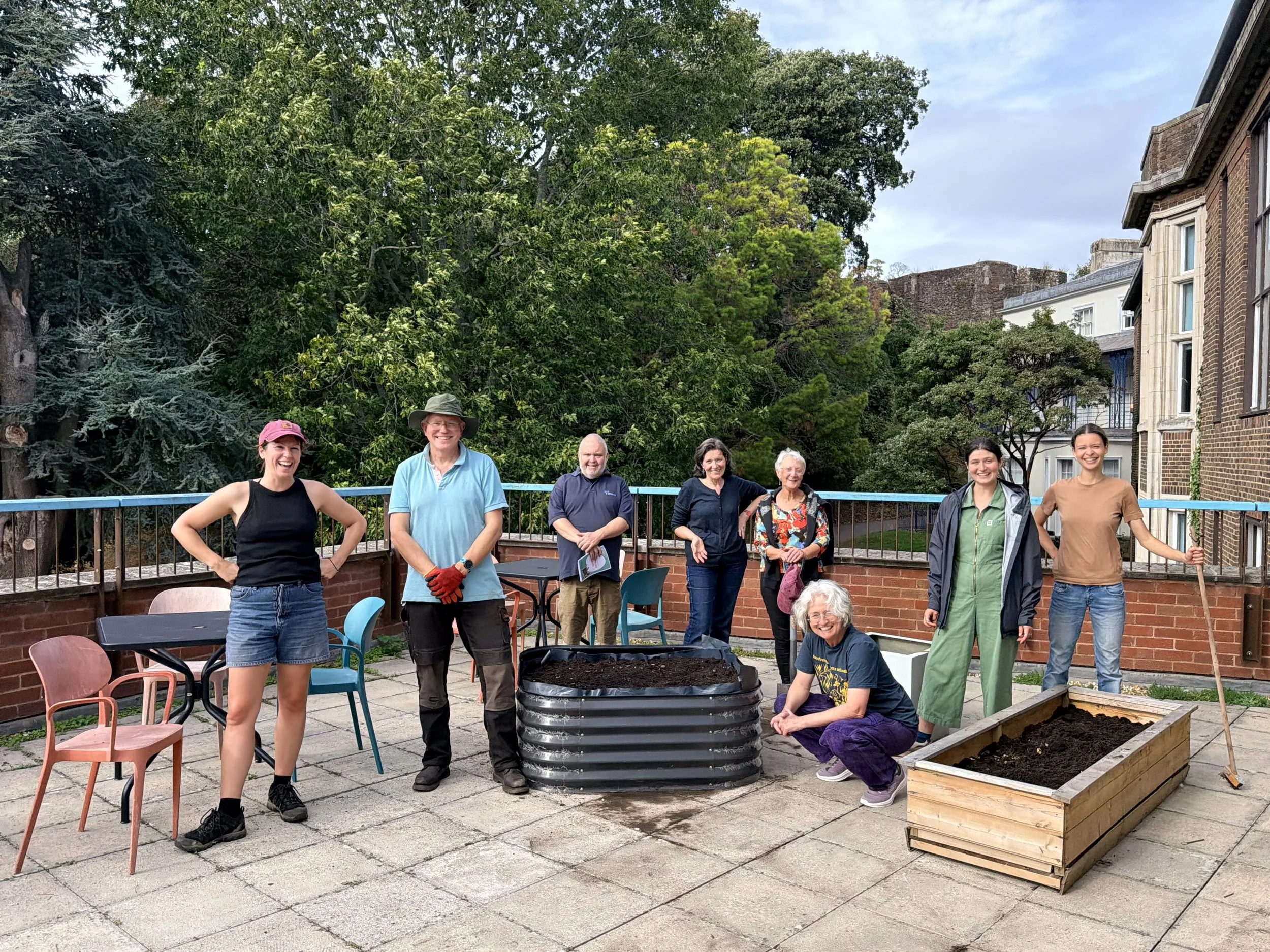
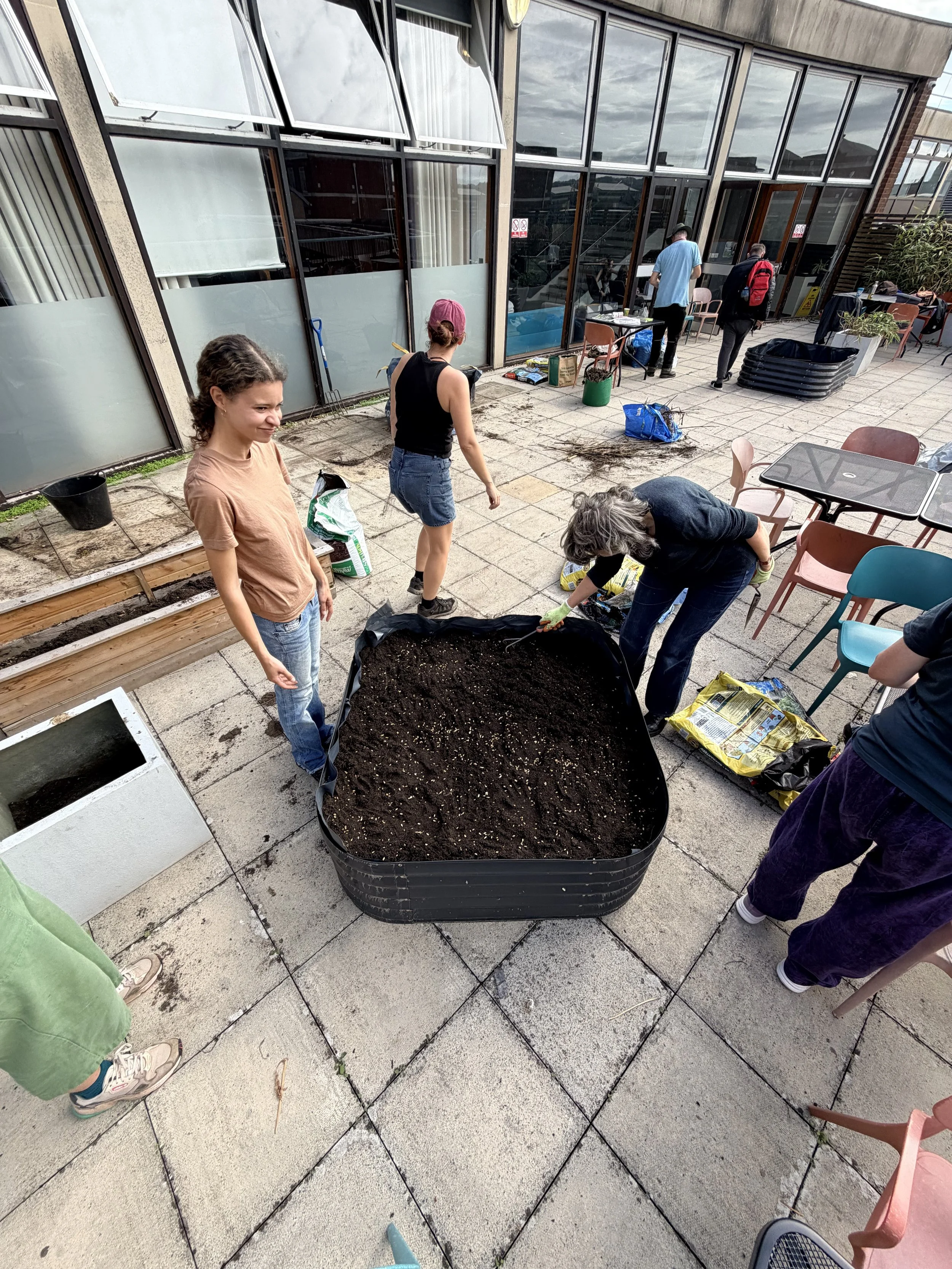
Exeter Seed Bank and volunteers at the Wild Roof Garden at Exeter Library, have sown its first seeds. Marking the beginning for the newly formed community garden, and part of a much bigger experiment in the future of food, seed diversity and local resilience.
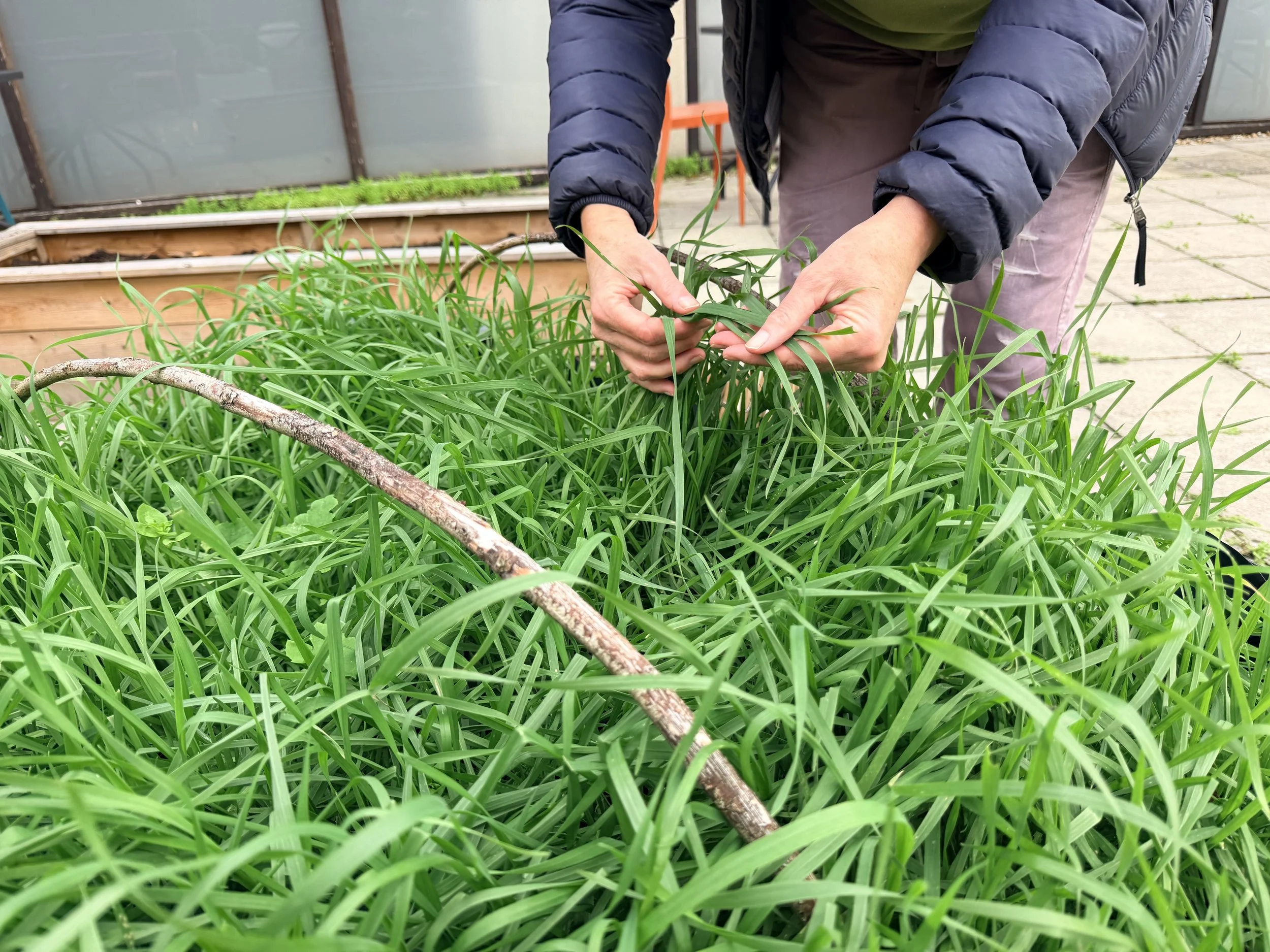
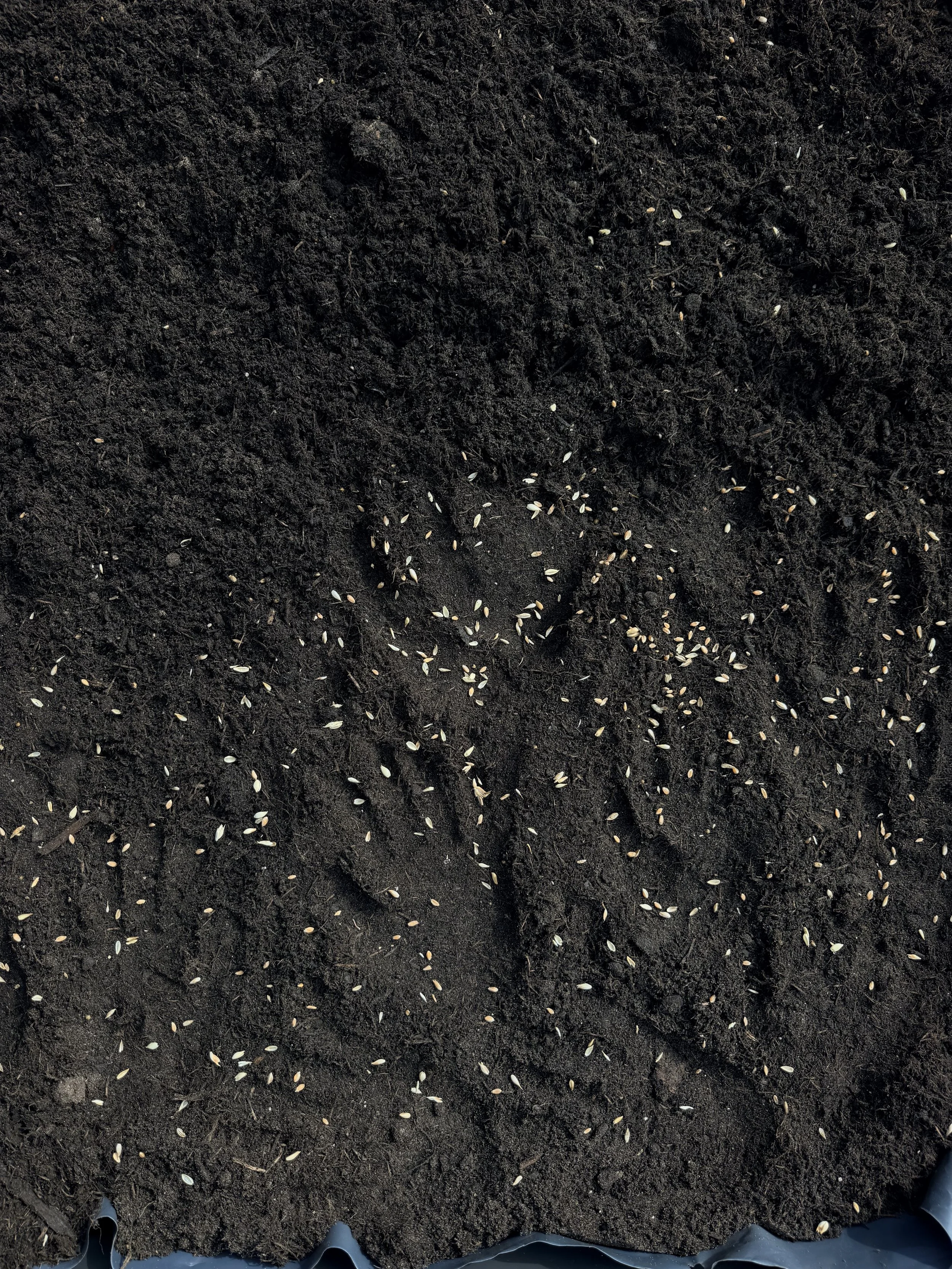
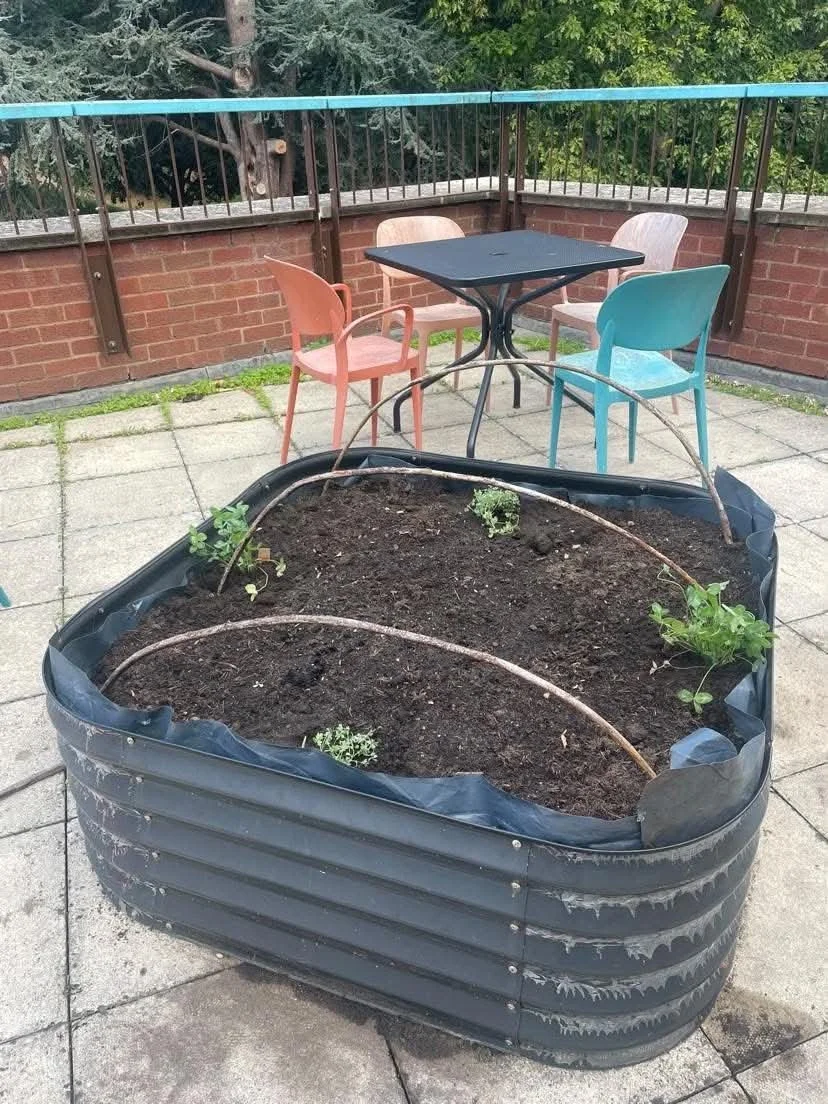
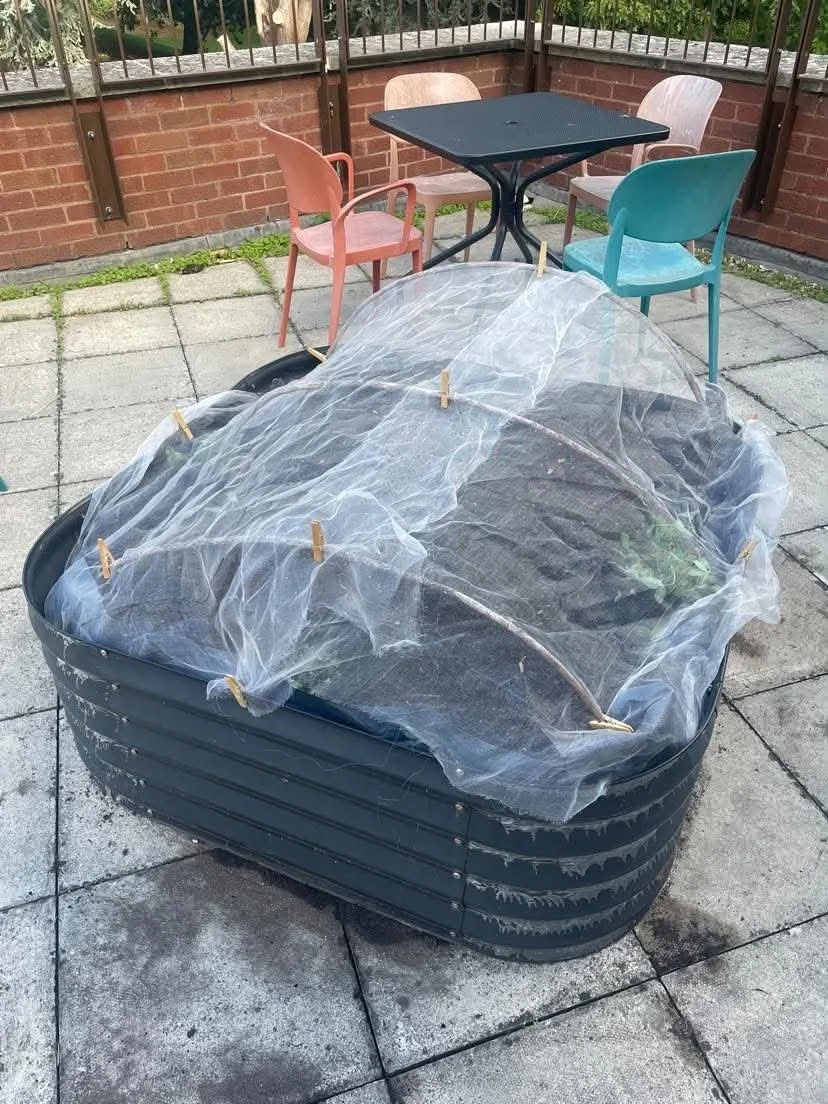
In September 2026, a one-square-metre patch of organic heritage wheat, a populate crop or ‘land race’ was planted on the roof. Over the coming months, we hope to watch it grow through the winter and into the summer of 2027, when the wheat can be harvested and its seeds saved.
This is the beginning of a living experiment: one that invites people across Devon to grow wheat, share seed and help create a diverse, locally adapted population that can be passed from grower to grower, generation after generation.
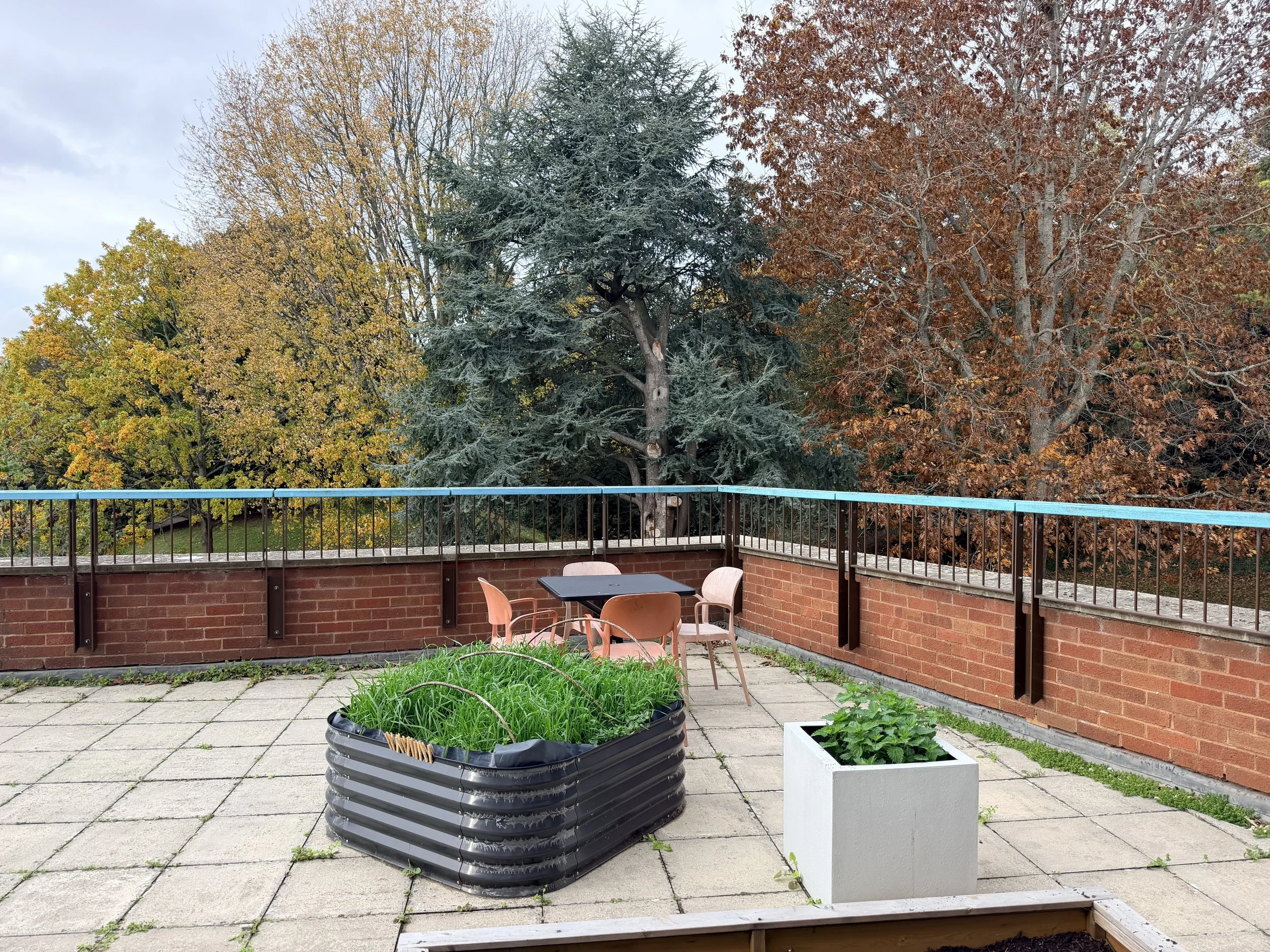
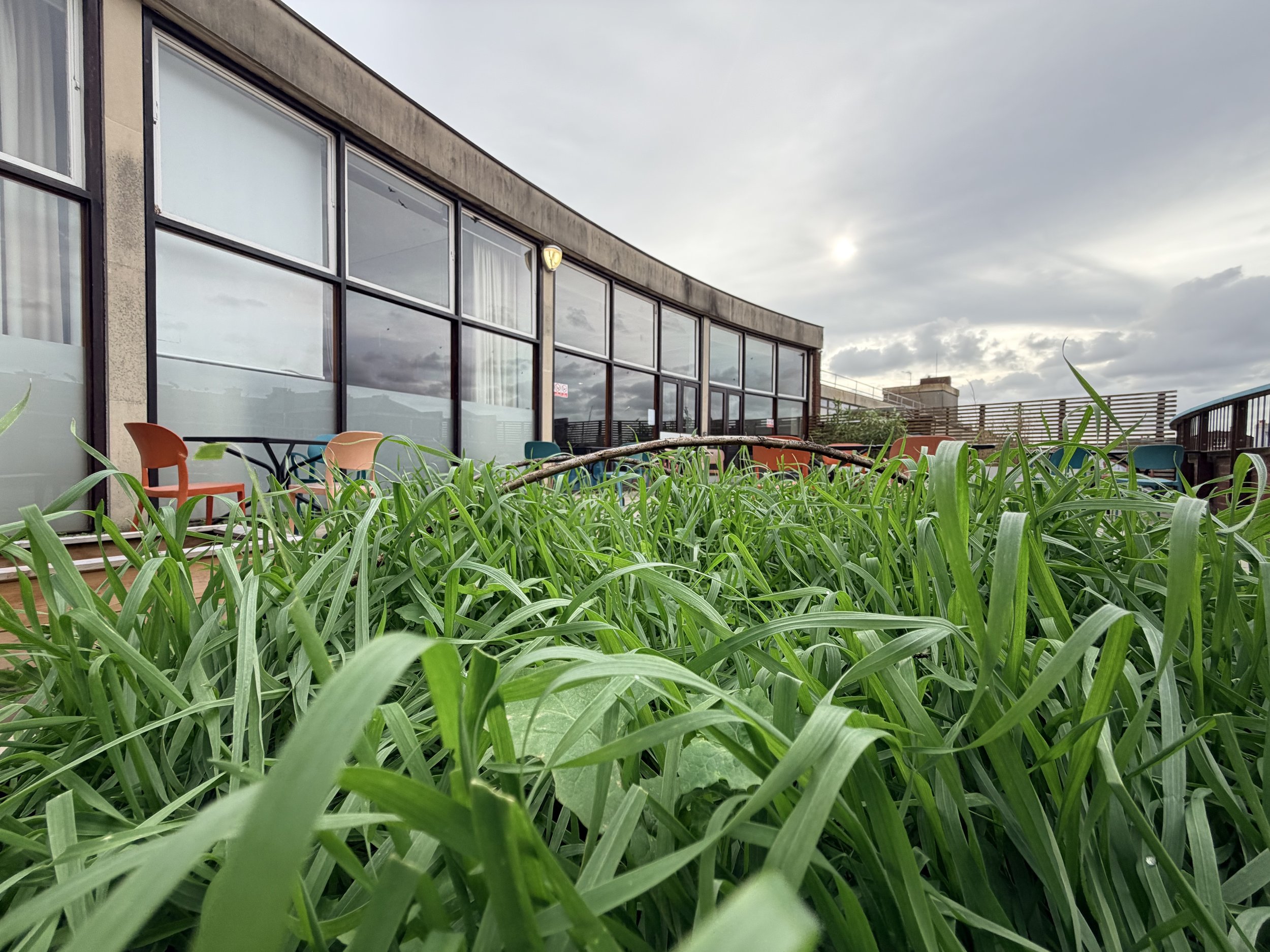
Could you grow a small patch of wheat?
Exeter Seed Bank is supporting a call for interest from retired academic John Vincent, who is leading The Thousand Year Experiment, an initiative to recreate a genetically diverse Devon wheat landrace adapted to local growing conditions.
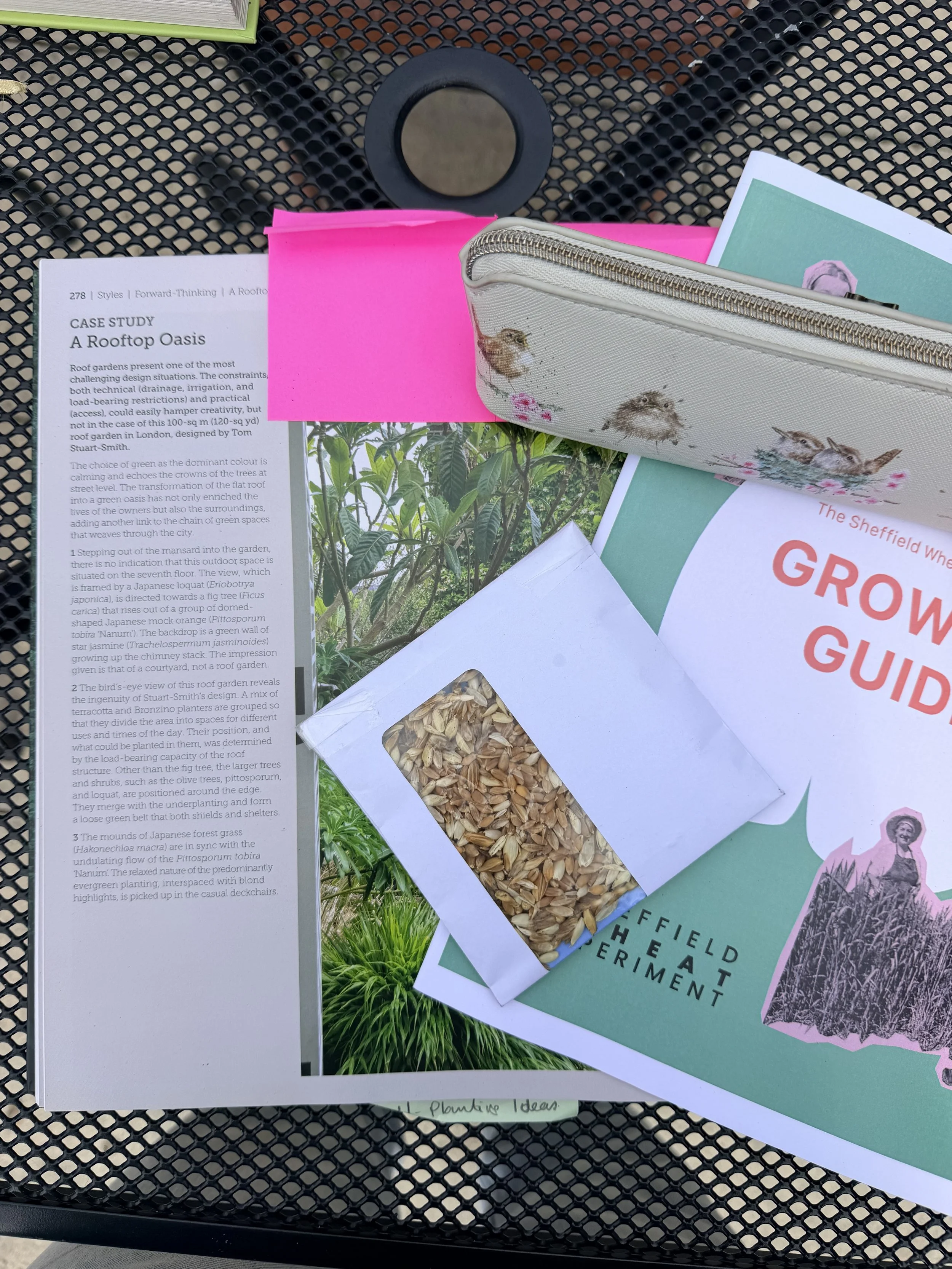
John is inviting gardeners, allotment holders and smallholders across Devon to grow a small patch of organic heritage wheat and return a little of their harvest to a shared seed bank.
By growing the wheat in different places, with different soils, microclimates and growing conditions, we can encourage a population that is genetically diverse and better adapted to life in Devon, including our clay soils and damp climate.
Resources and further reading
Explore the resources below to learn more about growing wheat, saving seed and the people working to create a more diverse and sustainable grain economy.
1. Growing Wheat, University of Sheffield
An introduction to wheat growing, including a short film and a downloadable growing guide. A useful starting point for anyone interested in understanding how wheat grows and how greater diversity can be encouraged in our grain systems.
2. South West Grain Network
Connecting people across the grain journey, from seed growing and farming to milling and bread baking, the South West Grain Network champions a human-scale grain economy that supports ecological health and social wellbeing.
Discover how growers, millers, bakers and communities are working together to develop alternatives to industrial monoculture and build a more diverse, resilient local food system.
South West Grain Network
Explore the network's work on heritage wheat, biodiversity and local grain systems.
3. Seed Sovereignty Programme, Gaia Foundation
The Seed Sovereignty Programme supports the diversity and resilience of locally adapted seeds and the communities that grow them.
Explore films, stories and practical resources celebrating traditional varieties, seed saving and the importance of keeping seeds in the hands of growers. The programme also highlights the people working to bring traditional Welsh grains back into cultivation.
Seed Sovereignty Programme, Gaia Foundation
Discover the stories of Welsh grains and the people working to restore them to cultivation.
4. Rediscovering the diversity of ancient grains, The Guardian
A historic collection of wheat varieties gathered in the 1920s is helping researchers explore the remarkable genetic diversity that has been lost through modern agricultural practices.
This article considers how these historic seeds could help researchers develop more diverse and resilient crops for the future, and why preserving genetic diversity matters for global food security.