Exeter Broad Bean: now in its third year

“On a day too hot for gardening we harvested the flock at the Refugee Support allotment. Siting in the shade of apple trees the task of shelling the beans became an enjoyable and I guess therapeutic task with lovely interactions. The shelled beans also seemed to perhaps provide a link. As the beans were mixed together I couldn’t help but think of the metaphors of our mixed humanity and the harvests to come.”
– Mark, one of our broad bean growers from Refugee Support Devon.
The Exeter Seed Bank has initiated a project to develop the ‘Exeter Broad Bean’, a broad bean that is adapted to our local soils and more resilient to the effects of our changing climate.
The project now has 35 growers taking part across allotments and growing spaces around Exeter. Participants are growing a mix of broad bean varieties which are allowed to open-pollinate. The seeds they produce will be genetically diverse, giving the beans the potential to become more resilient to pests, diseases and changing growing conditions. We meet once a year to mix beans and make collective decisions for what a Exeter Broad Bean looks like.
The original selection of varieties for the project was based on a list provided by Holly from the Seed Sovereignty Programme, whose work on crowd breeding has been an important source of knowledge and inspiration for the project. The Seed Sovereignty resources offer a wealth of information about plant breeding, seed saving and developing your own crop.
The initial crop is known as a ‘flock’. Over several growing years, we hope these beans will mix and mix again, gradually developing into a ‘landrace’ - a diverse population of beans that is particularly well adapted to our local conditions. By involving many growers in different gardens and allotments, we are creating the opportunity for the beans to encounter a range of soils, microclimates and growing conditions in our area.
Video showing the Exeter Board Bean flock growing at Shillingford Organics, grown by Kris.
Connecting seeds, plants and soil
As the project develops, we're also becoming increasingly interested in the relationship between seeds, plants and soil health. At our last growers’ meet-up, participants were given ’GOOP’ from Soil Ecology Labs to trial as a seed inoculant. This experiment is helping us explore how healthy soil ecosystems might connect with the health, resilience and development of our seeds and plants, while creating opportunities to link the broad bean project with other work around soil health.
This year, we'll be taking this exploration further by sharing a recipe for a homemade ‘potion’ that growers can make themselves, continuing the groups learning of the connections between soil and seeds.
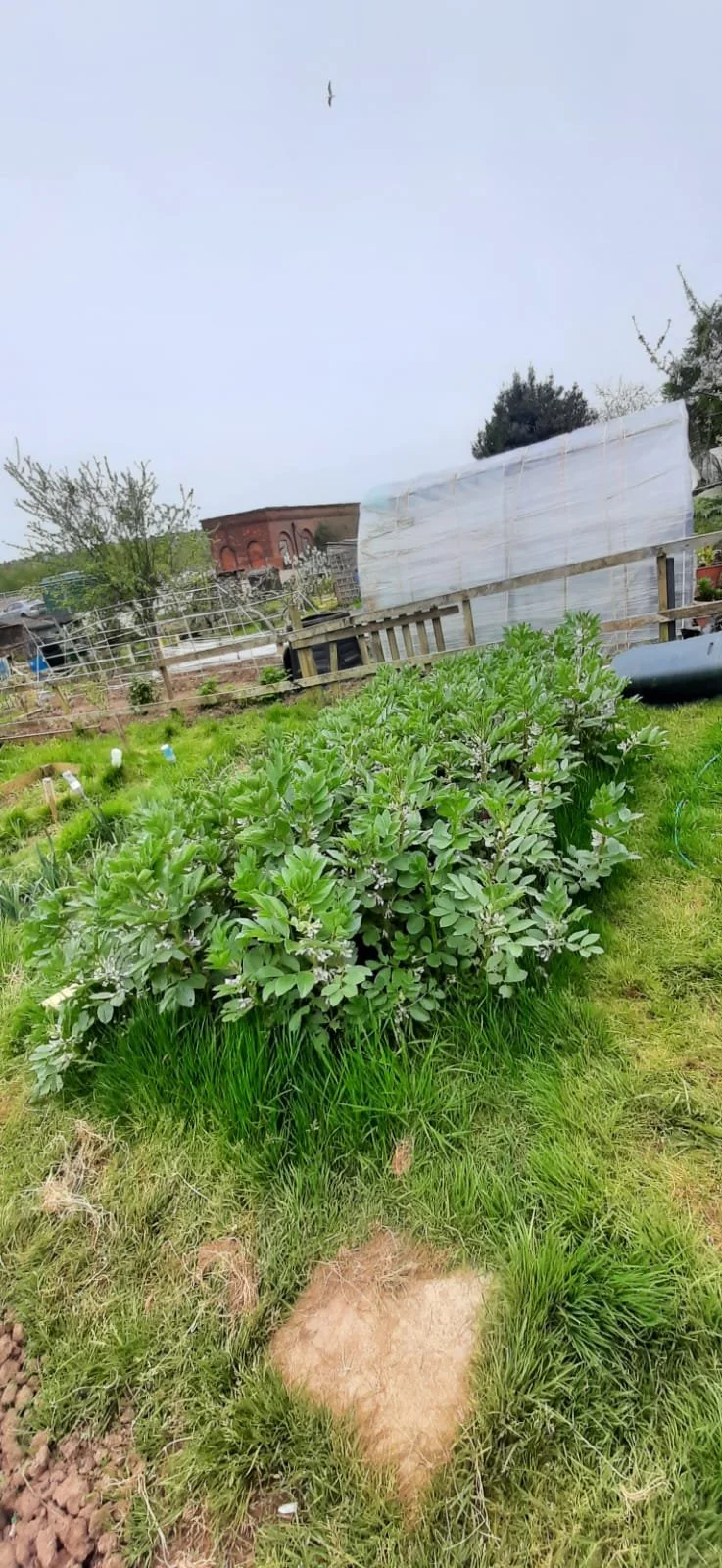
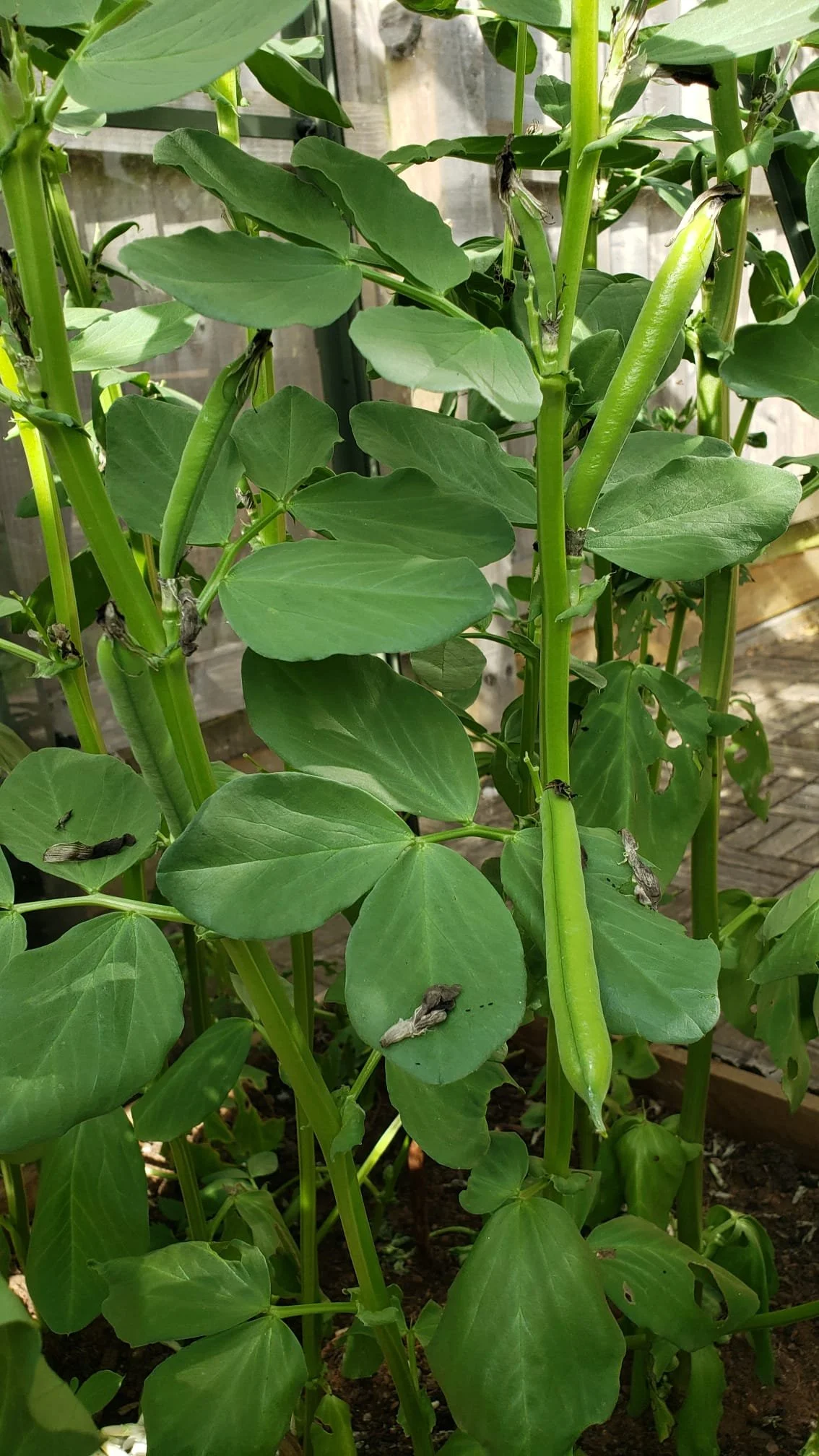
Photos from 2026






Get involved
Our next project meet-up takes place on 11 October, 2-4pm at Theatre Alibi in St Thomas and Dan Fox will join us again. If you’re interested in getting involved with the Exeter Broad Bean Project, we’d love to hear from you. Please email us if you’d like to find out more or take part; exeterseedbank @ gmail . com
You can also explore the Seed Sovereignty Programme’s resources on crowd breeding for more information about the ideas and approaches that underpin projects like ours. https://seedsovereignty.info/crowd-breeding/
Why Broad Beans? I hear you ask
Broad beans are a versatile and wonderful vegetable, yet they can often be difficult to find in supermarkets. Beloved in cuisines around the world, they are one of the first crops that can be harvested following the UK’s ‘Hungry Gap’.